Geography and History

Żurrieq was inhabited since the bronze age by a relatively large population. The largest village in the area, it is also the centre of most of its commercial activities and offers a number of interesting sites. The first historical reference to this village goes back in 1399. The villages of Hal Lew, Hal Millieri, Hal Manin, Bubaqra, Hal Far, Nigret and Qrendi used to make part of the village itself, until in 1618 the village of Qrendi became a village of its own right while the others dissolved in a natural way with their area now making an integral part of the village perimeter.
Lying further away from the main village centre there are two other hamlets, Bubaqra and in-Nigret.
Origins of the name ‘Żurrieq’
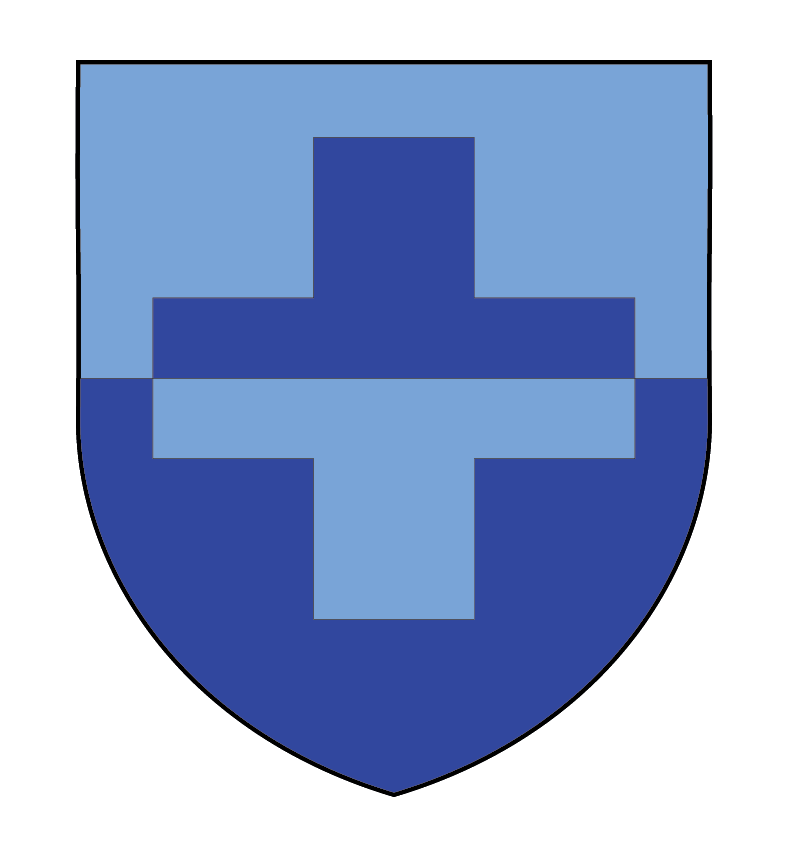
The Semitic roots indicate the word zoroq would mean blue, but it is not clear for what do they refer. One may recall the old motto in Latin saying: From the blue sea I took my name.
In 1530, the population numbered 2,000 people living in 400 houses. This phenomenon kept growing up till the present times when we find a population of 10,000 people residing in the actual town of Zurrieq.
The Parish Church dedicated to St. Catherine of Alexandria knows its roots to a chapel built on the same site in 1436 by Mons. De Mello. The church we know today is that built on both the site of the chapel dedicated to St. Catherine as well as an adjacent one dedicated to St. Peter. This was built between 1634 and 1659 on the plans of architect Lorenzo Gafa’. Inside the church we find six paintings by Mattia Preti. Before the present titular painting, there was one by Matteo Perez D’Alecio, presently in the church cloister.
There are other paintings by renowned artists such as Luca Garnieri, Frangisku Zahra, Raffael Bonnici Calì and Alfred Camilleri Cauchi.
In the peripheral area of Zurrieq known as Hal Millieri, one can also find two other chapels, one of which dating from medieval times and having interesting frescoes.